















How First-Time Air Connectivity Is Reshaping Small-City Economies in India


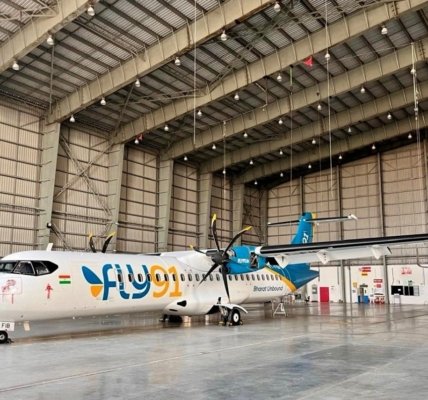
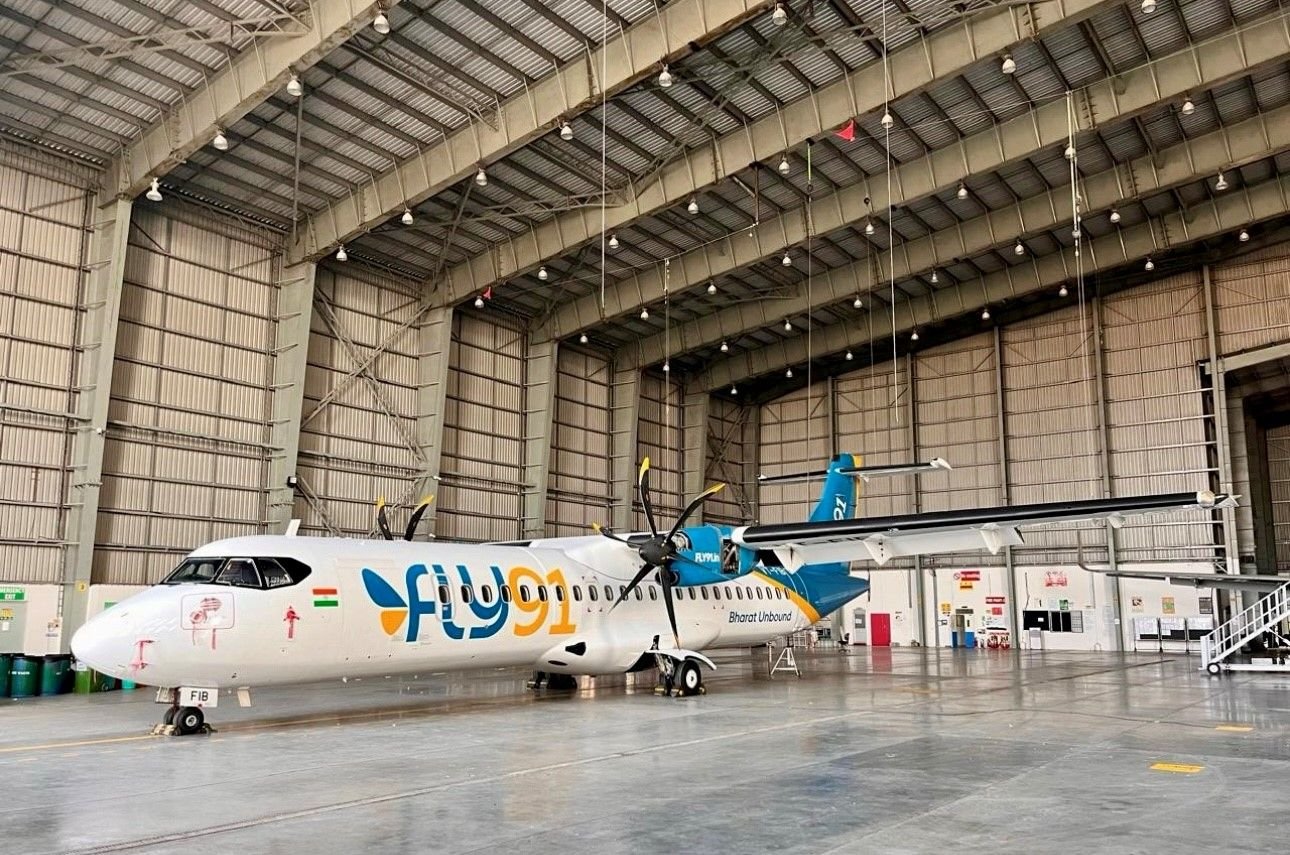
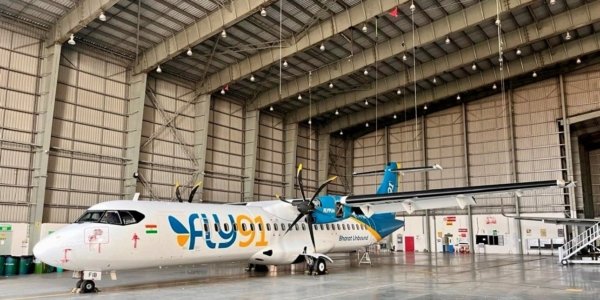
India’s next phase of economic growth is unfolding far from its biggest cities. As scheduled flights reach places long left off aviation maps, small towns are discovering new confidence, new markets and new possibilities. For years, the barrier was not just geographical; it was the absence of air connectivity. That barrier is now beginning to narrow, and the effects are becoming visible across industries and communities. Fly91 CEO and MD Manoj Chacko provides a lowdown on how first-time air connectivity is quietly reshaping local economies across regional India.
For decades, the story of Indian aviation has been scripted from its metros. Airports grew around the big cities, networks positioned outward and the quiet assumption was arrived that serious air travel belonged to a handful of urban centres. Beyond them lay a vast interior, well populated, economically active and ambitious, but expected to make do with long road journeys and overnight trains to the nearest (which at times was very far) airport.
That dated assumption is now being tested and in many places it is being quietly overturned.
When a city receives scheduled air connectivity for the first time, it alters how that city sees itself and how others begin to see it, with shrinking and recalibrated distance. This is where the real economic impact of regional aviation lies. In smaller cities, air connectivity supplements infrastructure to create a multiplier effect.
A flight does not only carry passengers. It comes with the promise of assured and faster transportation, which in turn, allows hotels to plan inventory, businesses to commit to meetings, hospitals to schedule specialist consultations and families to travel without burning days on the road. Over time, these small certainties add up to confidence, and confidence is what local economies feed on.
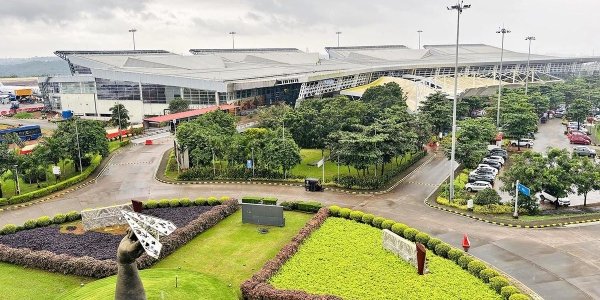
The experience of connecting places like Sindhudurg and Jalgaon in Maharashtra or Agatti in the Lakshadweep islands underlines this shift. These destinations were not invented by aviation. They have always existed, economically and culturally. What was missing was a reliable way to plug them into the national grid without routing everything through distant metros. Once that plug-in happens, latent demand surfaces quickly, not as a one-time spike but as repeat behaviour.
Take the case of Jalgaon, for instance. One local progressive farmer, Manas Kulkarni, has flown the Jalgaon–Pune sector on a FLY91 aircraft more than fifty times in the first year of our operations. His journeys are not about novelty. They are about saving time, reducing fatigue and making regular travel workable. Stories like this rarely feature in aviation forecasts, but they reveal how quickly flying becomes embedded in everyday economic life when friction is removed.

Tourism is often the most visible beneficiary, but it is not the only one. In coastal regions, better air links bring in visitors who might otherwise default to familiar hubs.
More importantly, they allow local entrepreneurs to think beyond seasonal footfalls.
A destination that can be reached predictably is easier to package, market and invest in. Hospitality grows in layers, not as speculation but as a response.
Equally significant is what connectivity does for residents. Small cities are increasingly aspirational. They send students to universities, patients to specialised hospitals and entrepreneurs to markets that are located several hours away by road. A direct flight collapses those journeys into manageable segments. It allows people to return home the same day or the next morning, rather than lose two or three days in transit. That saving of time translates directly into productivity and quality of life.
What often gets overlooked is that demand in these markets is not borrowed from elsewhere. It already exists. When people are given a viable option, they use it consistently. Repeat flyers on regional routes are not an anomaly. They are evidence that air travel, in these contexts, is becoming a utility rather than a luxury.
There is also a quiet integration taking place between destinations. When regional airports are connected to each other and to key hubs, they begin to function as part of an ecosystem. Sindhudurg’s proximity to Goa, for instance, changes its role. It becomes both a destination in its own right and an alternative gateway. That dual identity benefits travellers and spreads economic activity across a wider geography.

For regional aviation to have lasting impact, however, it must be built with discipline. Small-city markets do not forgive inconsistency.
Flights that appear briefly and disappear do little to build trust.
Reliability matters more than scale. Infrastructure constraints are real and evolving, and operating in such environments requires patience and coordination with local authorities. Growth here is incremental, not explosive.
The long-term mission for us at Fly91 is worth that restraint. When connectivity is sustained, secondary effects begin to show. Supply chains adjust. Local produce moves faster. Events draw participants from farther away. Employers begin to view these cities as viable bases rather than outposts. Over time, the city’s economic narrative changes from being peripheral to being connected.
India’s growth is no longer confined to its largest urban centres. It is distributed across districts, clusters and corridors that have quietly accumulated wealth and ambition. Aviation, when applied thoughtfully, can accelerate that distribution rather than allowing it to concentrate in one place alone.
First-time air connectivity is not about bringing small cities into the shadow of the big, burgeoning metros. It is about giving these tier 2 and tier 3 destinations direct lines to opportunity and aspiration. When those lines hold, local economies do not just take off; they find their own cruising altitude. This is what makes the story of ‘Bharat Unbound’ possible.
Also Read: Distance, Density and the Future of Air Travel in India