







- Advanced air mobility faces a near-term constraint not in aircraft availability, but in the readiness of landing infrastructure designed for vertical operations.
- New approaches to vertipads and landing surfaces are focusing on downwash management, site adaptability, and integration with existing urban and transport environments.
- In infrastructure-constrained markets such as India, scalable and licensable landing solutions may determine how quickly AAM can move beyond limited trials.
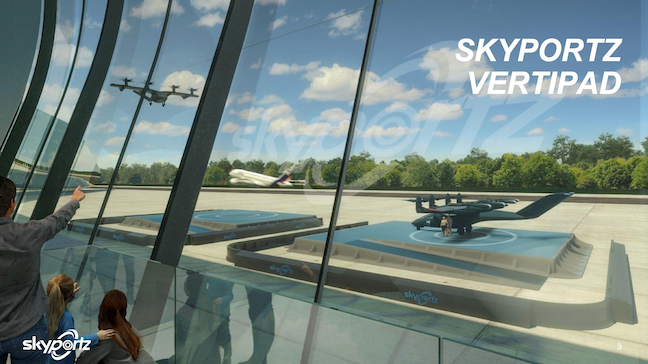
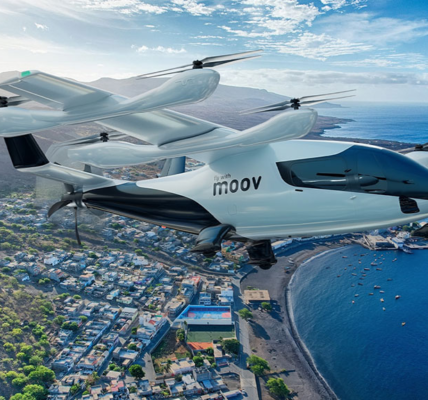
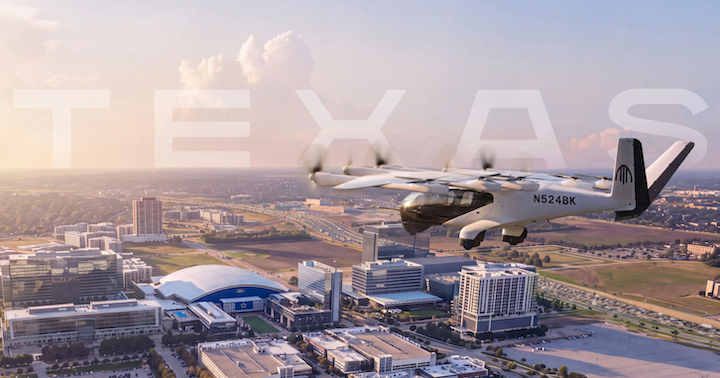
As electric vertical take-off and landing aircraft move closer to certification, much of the global attention remains fixed on airframes, propulsion systems, and flight testing milestones. Far less visible—but arguably just as critical—is the question of ground infrastructure. This is the gap Skyportz is positioning itself to address.
Founded in Australia, Skyportz operates across aviation, real estate, and emerging air mobility regulation. Rather than developing aircraft or operating services, the company’s focus is narrowly defined: creating landing infrastructure that allows eVTOL and Advanced Air Mobility (AAM) operations to scale beyond demonstrations and pilot projects. Its core argument is that without purpose-designed landing surfaces and destination networks, urban and regional air mobility will struggle to move from concept to commercial reality.
From Vertipads to Aeroberm: Redefining Where Aircraft Land
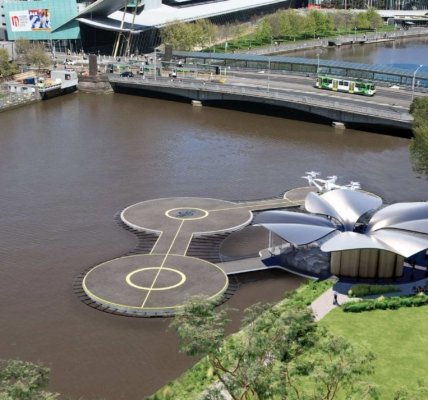
At the core of Skyportz’s strategy is its patented vertipad concept, developed specifically for eVTOL operations rather than adapted from conventional helipads. Unlike traditional concrete or asphalt surfaces, the company has invested in alternative ground solutions aimed at addressing one of the sector’s most persistent challenges: downwash and outwash management.
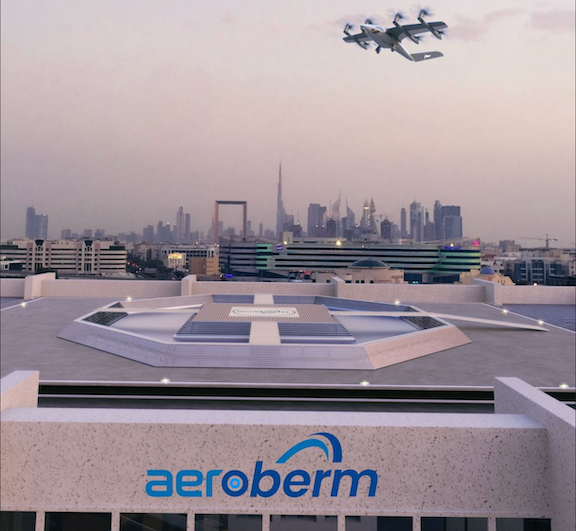
This focus has led to the development of Aeroberm, a specially engineered, permeable landing surface designed to help manage and reduce the effects of rotor and propulsor downwash compared with conventional solid pads. For urban environments—where debris, dust, noise, and airflow effects are major regulatory and public-acceptance concerns—this becomes a critical design consideration rather than a secondary one.
Skyportz positions Aeroberm not as a single vertiport solution, but as a deployable surface technology that can be integrated across a wide range of sites: existing heliports, airport precincts, rooftops, parking structures, logistics hubs, and select greenfield developments. The objective is not to build a handful of showcase vertiports, but to enable a distributed network of landing destinations that can be rolled out incrementally as aircraft and regulations mature.

The company is not pursuing a capital-heavy ownership model. Instead, it is structured around licensing its patented technology to infrastructure owners, developers, and operators—a model that aligns with how airport pavements, navigation aids, and safety systems are typically specified and deployed globally, rather than owned by a single OEM.
India and Emerging markets: Infrastructure Before Operations
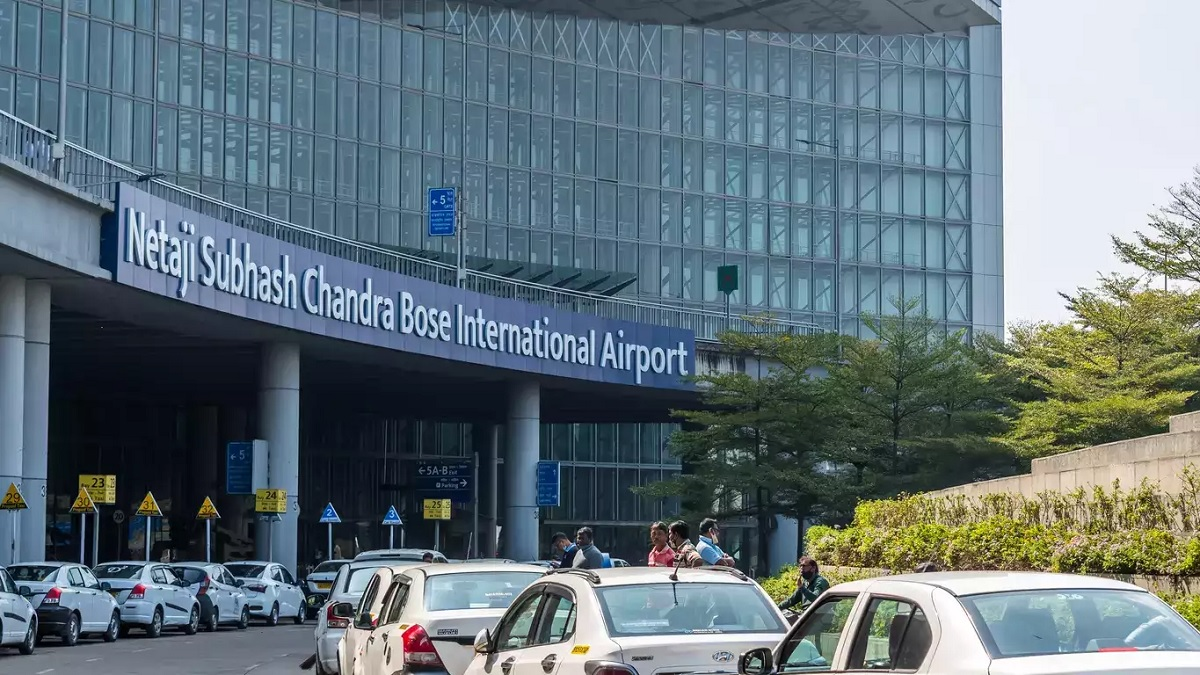
While Skyportz’s origins are Australian, its outward focus has increasingly turned to high-growth, infrastructure-constrained markets, including India. The company has engaged with Indian stakeholders around how Vertipad and Aeroberm-based solutions could align with the country’s evolving views on urban air mobility, regional connectivity, and multimodal transport planning.
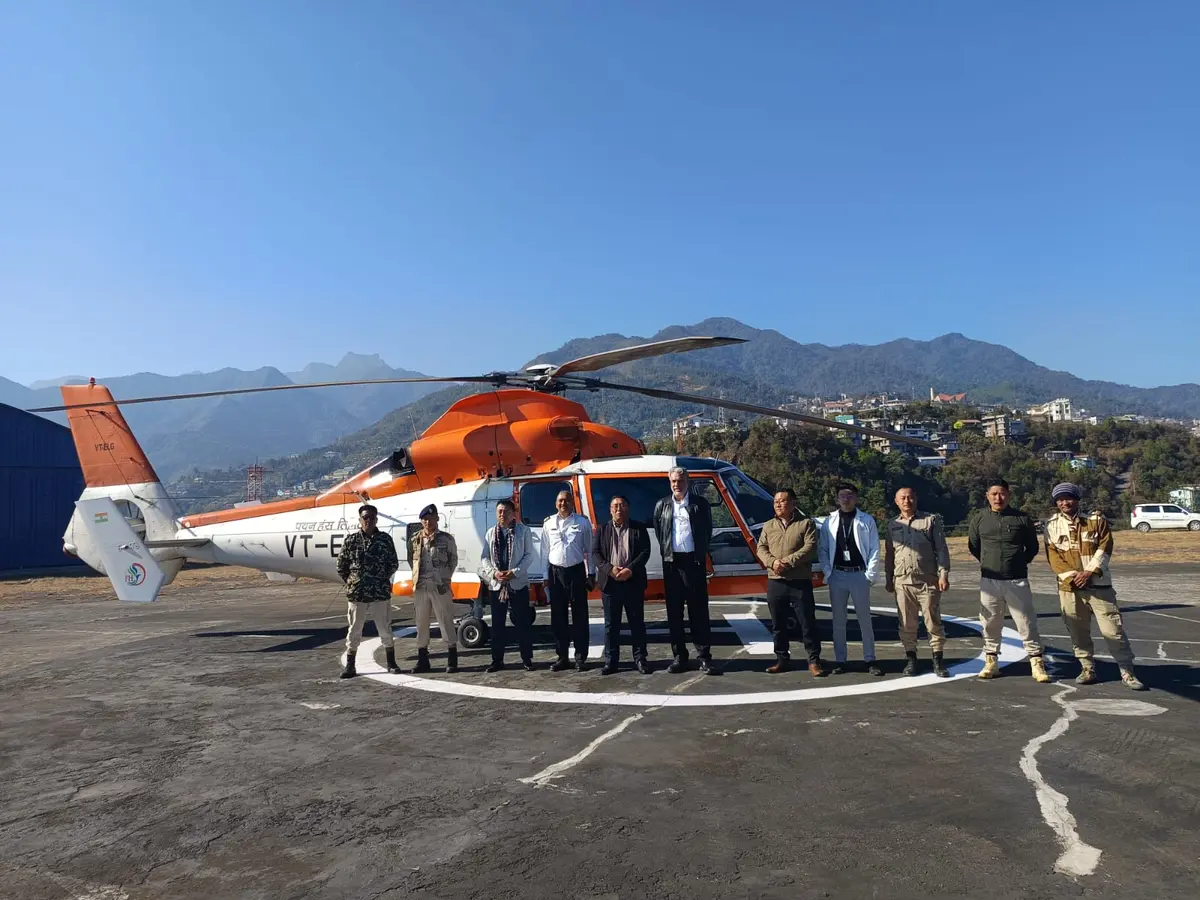
India’s relevance lies less in near-term air taxi operations and more in long-term system readiness. Dense cities, limited heliport availability, complex urban zoning, and growing pressure on surface transport all make infrastructure design a gating factor. Their engagement in India reflects an understanding that eVTOL operations, if they emerge at scale, will require non-traditional landing locations integrated into commercial, industrial, and transport ecosystems—not standalone aviation facilities.
This is also where the company’s approach differs from many vertiport concepts currently under discussion.
Rather than assuming purpose-built, high-cost vertiports as the default, it’s work suggests a more pragmatic pathway: lighter-footprint installations, adaptable surfaces like Aeroberm, and regulatory compatibility with existing land-use frameworks. For markets such as India, this distinction matters.
The company’s broader engagement across technical forums, OEM interactions, and regulatory discussions reflects an infrastructure-first, aircraft-agnostic, and geography-neutral positioning. Rather than aligning with a specific eVTOL platform or operating model, the company’s focus rests on addressing landing access as a primary constraint as advanced air mobility evolves.
The significance of this approach lies in its emphasis on infrastructure rather than timelines. At a stage where much of the advanced air mobility narrative is shaped by ambitious deployment targets and platform-led projections, attention is directed toward less visible but core elements—landing surfaces, site selection, licensing frameworks, and compatibility with urban environments.
As AAM progresses beyond controlled demonstrations toward sustained operations, these considerations are likely to shape how and where services can be deployed at scale. In the near term, infrastructure readiness may prove to be the decisive factor in how advanced air mobility takes shape.
Also Read: India’s Vertiport Question: Building the Foundations for Advanced Air Mobility