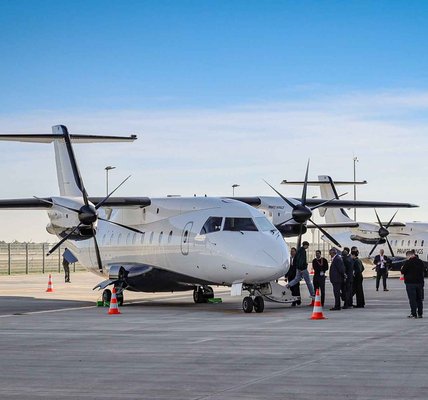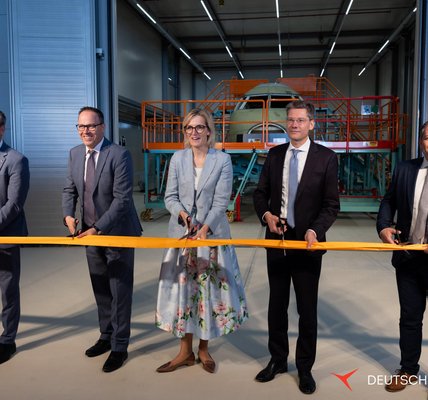







- De Havilland Canada marked the 1,000th Twin Otter rollout from Calgary on January 20, 2026, highlighting 60 years of global endurance.
- India’s experience shows that while the aircraft fits the requirement, outcomes depend on execution—route economics, financing structures, and regulatory continuity remain decisive.
- Renewed seaplane trials and regional ambitions point to opportunity, but past disruptions illustrate that infrastructure-light flying still faces structural and operational hurdles.

When the 1,000th De Havilland Canada Twin Otter lifted off from Calgary on January 20, 2026, it marked more than a production milestone. It was a reminder that in an industry dominated by narrowbodies and regional jets, there remains enduring demand for a rugged, infrastructure-light workhorse built to operate where others cannot.
More than six decades after the DHC-6 first entered service, the Twin Otter continues to carve out a highly specialised but resilient niche. With the introduction of the new-generation Twin Otter Classic 300-G, De Havilland Canada is betting on this segment, particularly in emerging regional markets such as South Asia.
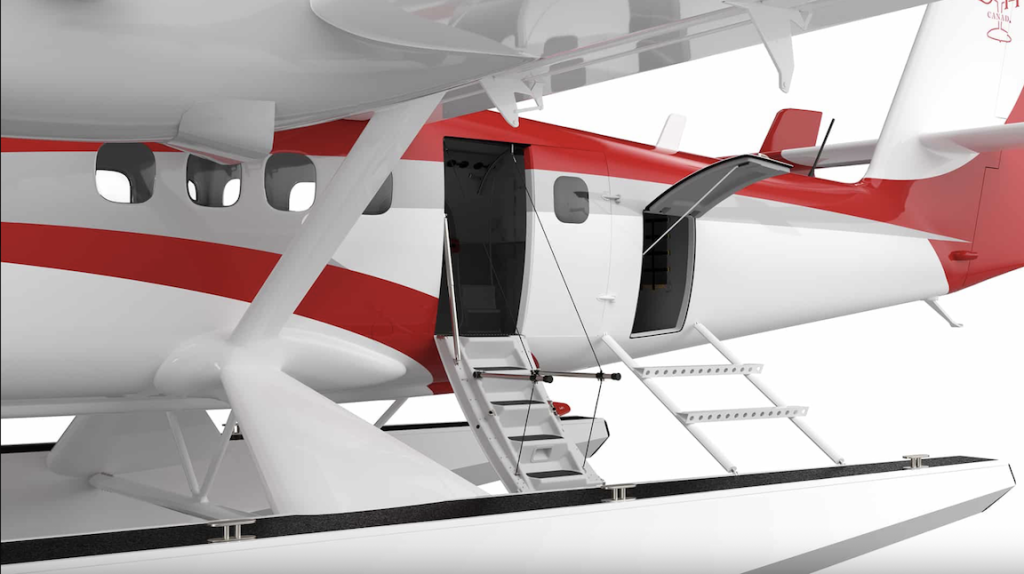
Photo: De Havilland
Originally produced between 1965 and 1988, 844 Twin Otters were built across the 100, 200 and 300 series before production paused. The programme was revived in 2008, first under Viking Air and now De Havilland Canada, leading to the Series 400 and, most recently, the Classic 300-G.
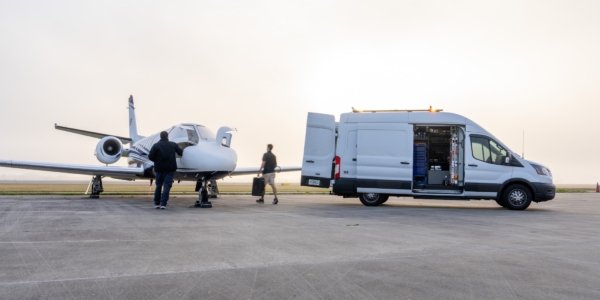
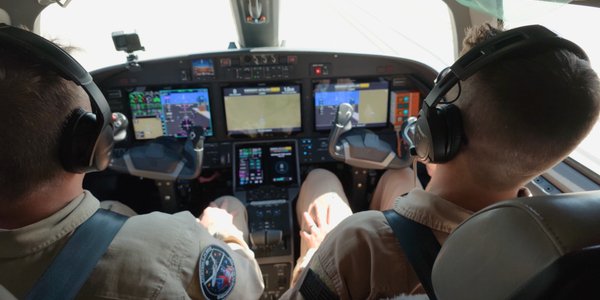
The Twin Otter Series 400, the latest generation of this iconic aircraft, marries a modern Honeywell Apex avionics suite with a rugged airframe which is suitable for operation on all types of terrain. The highpoint of Twin Otter Guardian 400 is its flexible mission system architecture, allowing the aircraft to move quickly between surveillance, search and rescue, medivac, parajumping, personnel transportation, and more.
The 1,000th aircraft, MSN1000, underscores the type’s unusual longevity. An estimated 350–400 Twin Otters remain operational globally, many in demanding environments ranging from Arctic Canada to islands. The aircraft’s strength is rooted in its Short Take-Off and Landing (STOL) capability, requiring roughly 1,200 feet for take-off and just over 1,000 feet for landing, combined with its ability to operate on wheels, floats, amphibious floats or skis. That flexibility has made it indispensable for island hopping, remote community access, medevac, special missions and military utility roles.
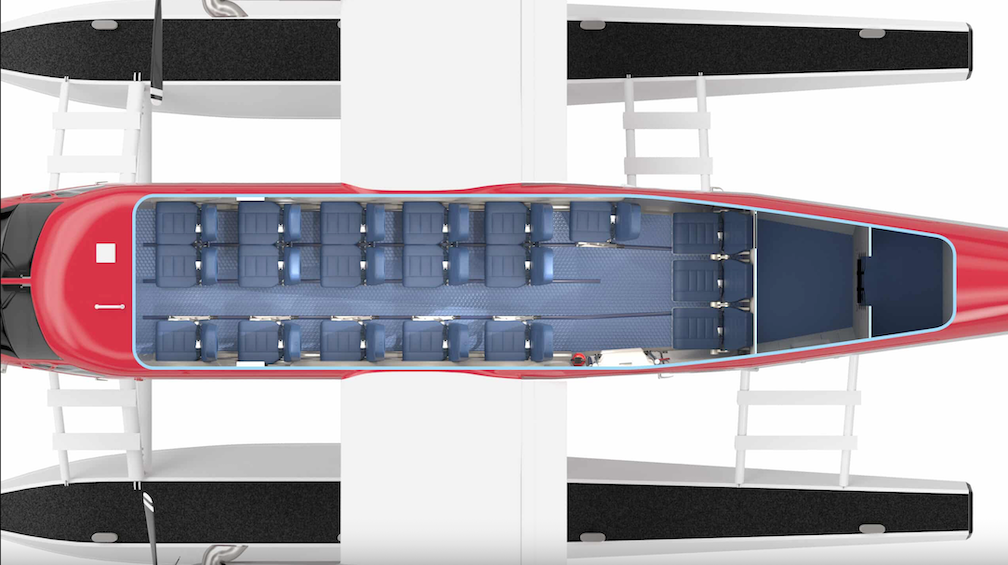
The 300-G’s first significant South Asian endorsement came recently when Ahmedabad-based IndiaOne Air signed a Letter of Intent for up to 10 aircraft. For IndiaOne Air, which secured its Air Operator Certificate in 2022 and focuses on underserved regional routes, the aircraft aligns directly with India’s UDAN (Ude Desh ka Aam Nagrik) regional connectivity programme. The airline has articulated ambitions to connect smaller cities with limited runway infrastructure. The Twin Otter is a perfect fit here.
India has hundreds of airstrips and small airports with runway constraints that limit ATR or jet operations. In regions such as the Northeast, island territories, and remote hinterlands, demand exists for reliable 15–19 seat connectivity. Market forecasts estimate that there could be a demand for 35–40 Twin Otter units in India over the next 5 years.
Lessons from FlyBig’s Collapse
Yet the Indian market also illustrates the fragility of regional business models. Gurugram-based FlyBig, which had operated DHC-6-400 Twin Otters as part of its regional expansion strategy, ceased operations in December 2025 after lease disputes and the expiry of its air operator certificate (AOC). The grounding of its aircraft and subsequent Irrevocable Deregistration and Export Request Authorization (IDERA) request by the Japanese lessor AER LLC, highlight a broader challenge.
FlyBig’s faltering does not necessarily undermine the aircraft’s suitability. Rather, it underscores that regional aviation in India remains highly execution-dependent. The operators need to align fleet planning, financing structures and route economics with ground realities.
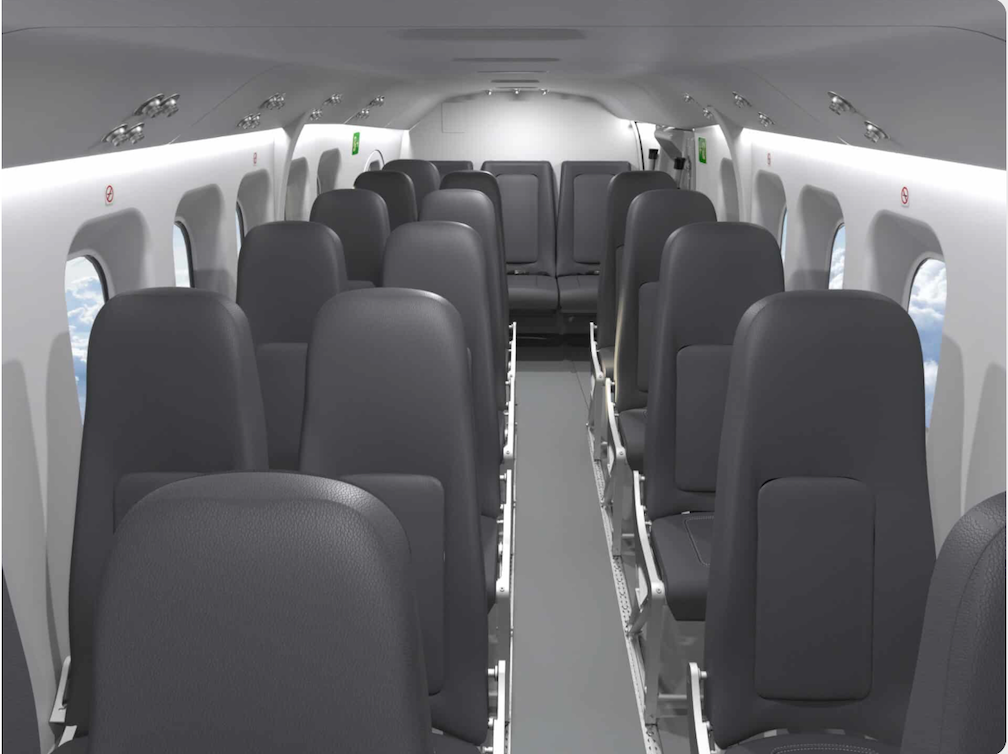
Photo: De Havilland
India’s first serious push towards seaplane connectivity began in October 2020, the service struggled with operational and commercial challenges and was eventually discontinued, underscoring the complexities of sustaining water-based aviation in India.
Since then, multiple revival attempts have surfaced. Union Civil Aviation Minister Ram Mohan Naidu has indicated plans to restart seaplane operations on at least two routes, possibly in the Andamans, Kerala or Andhra Pradesh.
Most recently, Andhra Pradesh Chief Minister N. Chandrababu Naidu flagged off a trial seaplane flight between Vijayawada’s Prakasam Barrage and Srisailam, reviving hopes that India’s long-anticipated seaplane network may finally gain altitude.
From Calgary’s 1,000th liftoff—destined for Colombia’s SATENA fleet—to India’s UDAN-bound seaplane routes, the Twin Otter bridges global endurance with South Asia’s last-mile skies. The Twin Otter’s relevance in India lies in a simple test: whether the system finally builds for the routes it has always had, not the aircraft it usually plans around.
Also Read: How De Havilland Is Driving India’s Last-Mile Aviation Revolution

Chandrakanth R has over four decades of journalism experience, including 25 years as Chief Reporter at The Hindu and four years as Editor of Media One, Dubai. Since returning to India, he has specialised in aerospace and defence and regularly covers major international industry events.