









- Dynamic Pricing Maximizes Revenue: Airlines constantly adjust ticket prices using advanced algorithms and AI to sell every seat at the optimal price, based on demand, time to departure, and competitor pricing.
- Fare Classes and Seat Availability Matter: Each seat belongs to a fare class (Y, B, M, etc.) with different prices and rules. Cheaper seats sell first, and as availability decreases, higher-priced buckets become active.
- Multiple Factors Influence Cost: Ticket prices reflect demand, seasonality, competition, operating costs, cabin class, add-ons, government taxes, and external events—making prices fluctuate constantly even on the same flight.

Airplane ticket pricing often feels confusing to travelers. A flight that costs one amount today may be much more expensive tomorrow, even though the aircraft, route, and distance remain the same. This is because airline ticket pricing is not fixed. Instead, it is based on a complex system that combines economics, demand prediction, competition, operational costs, and advanced technology.
In this article, we will explain how airplane tickets are priced, what factors affect airfare, and why prices change so frequently — in a simple and clear way.
1. The Main Objective Behind Airline Pricing
The primary goal of airline ticket pricing is to maximize revenue. Once a flight takes off, any empty seat becomes a permanent loss because it cannot be sold again. Airlines therefore try to sell every seat at the highest possible price that passengers are willing to pay, without leaving too many seats empty.
This pricing approach is known as revenue management or yield management.
2. Dynamic Pricing: Why Ticket Prices Constantly Change
Airlines do not assign one fixed price to a flight. Instead, they use dynamic pricing systems that adjust fares continuously based on real-time data.
Prices may change due to:
- Number of seats already sold
- Time left before departure
- Current demand trends
- Competitor pricing
- Historical booking data
Modern airlines use powerful computer algorithms — and increasingly artificial intelligence — to analyze millions of data points and decide how ticket prices should move up or down.
3. Fare Classes and Booking Buckets
Each airplane seat belongs to a fare class, also called a booking bucket, represented by letters such as Y, B, M, K, or L.
How Fare Buckets Work:
- Each bucket has a different price
- Each has its own rules (refunds, changes, baggage)
- Cheaper fare buckets sell first
- Once they are sold out, higher-priced buckets become available
This is why two passengers on the same flight may pay very different prices for similar seats.
4. Time of Booking: When You Buy Matters
Booking timing is one of the most important pricing factors.
General Patterns:
- Tickets are usually cheaper when booked weeks or months in advance
- Prices often increase as the departure date gets closer
- Last-minute tickets are expensive because business travelers are less price-sensitive
However, if a flight is not filling well, airlines may reduce prices temporarily to attract passengers.
5. Demand and Seasonality
Airfare follows basic economic principles.
High Demand Periods:
- Festivals
- School holidays
- Summer vacation
- Major events
During these times, ticket prices rise sharply because many people want to travel at the same time.
Low Demand Periods:
- Off-season months
- Mid-week travel
- Late-night or early-morning flights
During low demand, airlines reduce prices to fill seats.
6. Competition on a Route
Competition plays a major role in pricing.
- Routes served by multiple airlines usually have lower fares
- Routes with limited airline options often have higher prices
This explains why flights between major cities are often cheaper than flights to smaller or remote destinations.
7. Airline Operating Costs
Ticket prices must cover the airline’s expenses.
Major Cost Factors:
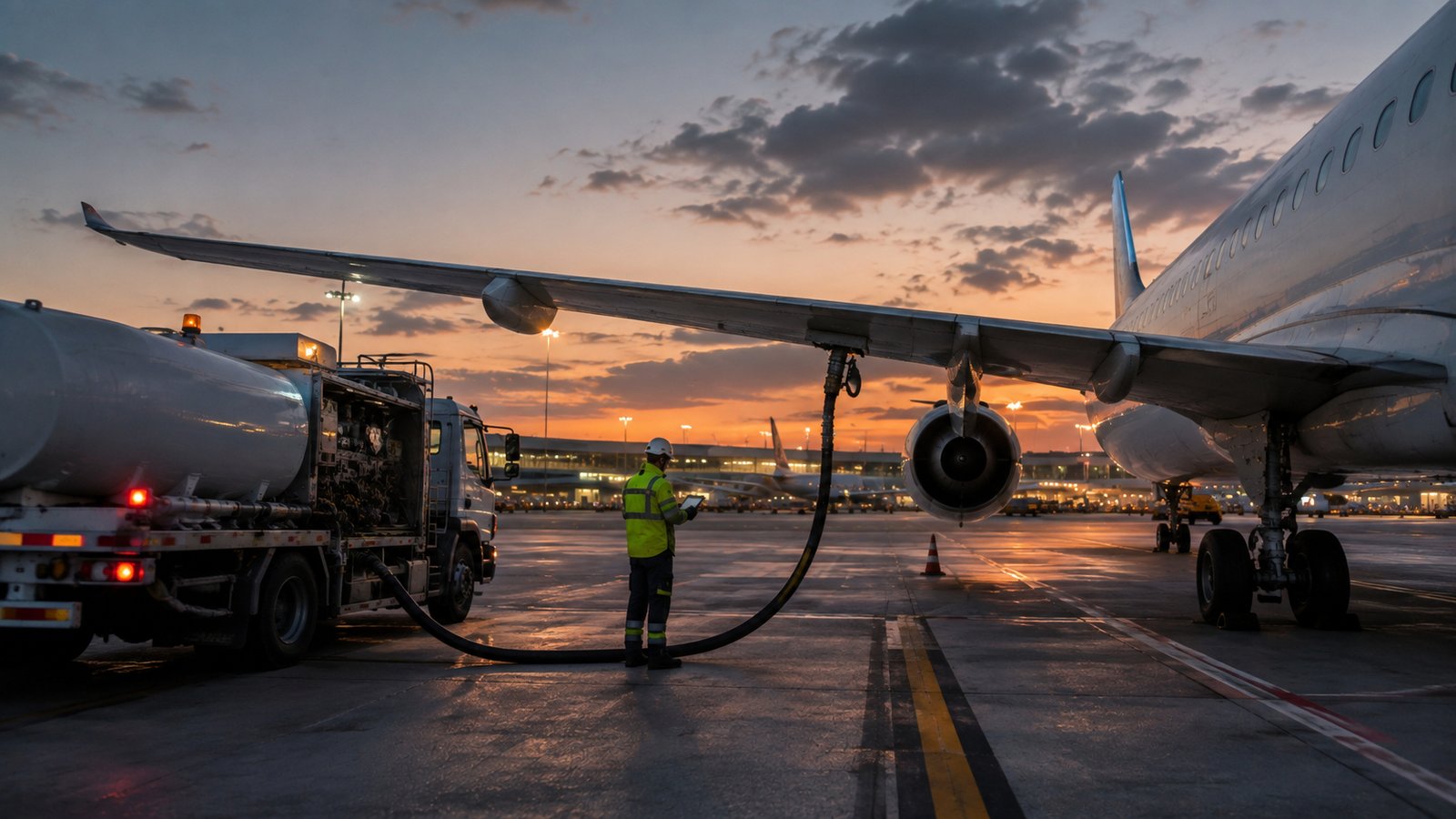
- Fuel prices
- Aircraft leasing or purchase
- Pilot and cabin crew salaries
- Maintenance and spare parts
- Airport landing and parking fees
- Navigation and security charges
When these costs rise, airlines adjust ticket prices or add surcharges to maintain profitability.
8. Cabin Class and Seat Type
Different seat categories have different prices.
Common Cabin Types:
- Economy Class
- Premium Economy
- Business Class
- First Class
Within economy class itself, there may be:
- Basic economy (lowest price, fewer benefits)
- Standard economy
- Extra-legroom seats
Airlines price these categories differently to attract both budget travelers and premium customers.
9. Load Factor and Seat Availability
Load factor refers to the percentage of seats filled on a flight.
- High load factor = higher prices
- Low load factor = possible discounts
Airlines constantly monitor seat availability and adjust prices to achieve the best balance between full flights and high revenue.
10. Ancillary Revenue and Add-On Charges
Airlines earn money not only from ticket sales but also from additional services such as:
- Checked baggage fees
- Seat selection charges
- Priority boarding
- In-flight meals
- Extra legroom seats
Low-cost airlines often keep base fares low and rely heavily on these additional charges for profit.
11. Government Rules and Regulations
In some countries, governments may intervene in airfare pricing, especially during periods of high demand or limited supply. Temporary price caps or fare bands may be introduced to protect passengers from extremely high fares.
Taxes imposed by governments also form a significant part of ticket prices, especially on international routes.
12. Impact of Global and External Events
External factors can strongly influence ticket prices, such as:
- Economic conditions
- Fuel supply disruptions
- Natural disasters
- Political instability
- Health emergencies
These events can suddenly reduce or increase demand, forcing airlines to adjust prices quickly.
13. The Role of Technology and Artificial Intelligence
Modern airline pricing systems use advanced technology to:
- Predict booking behavior
- Estimate willingness to pay
- Adjust prices multiple times per day
Some airlines are experimenting with personalized pricing models, although this approach is still under discussion from a regulatory and ethical perspective.
Conclusion: Why Airplane Ticket Prices Change So Often
Airplane ticket pricing is a highly strategic and data-driven process, not random or unfair. Prices change because airlines constantly balance demand, costs, competition, and seat availability. Every ticket price reflects a real-time calculation designed to keep flights full while ensuring profitability.
By understanding how airline pricing works, travelers can make smarter booking decisions and better understand why prices rise or fall.

Ajeet Yadav is an aviation enthusiast covering airline news, airports, aircraft, and industry developments through well-researched and reliable reporting.