












- Engines create thrust, not lift: Airplane engines push air backward, creating forward motion (thrust). This speed allows the wings to generate lift, which actually raises the aircraft into the air.
- Different engines for different needs: Small planes use piston engines, regional aircraft use turboprops, and modern commercial jets rely on turbofan engines, which are quieter, more fuel-efficient, and powerful.
- Modern jet engines are highly safe and efficient: They use compressed air, continuous combustion, and turbines to generate massive power, with multiple safety systems and regular inspections ensuring reliable flight—even if one engine fails.

Airplane engines are one of the most fascinating engineering achievements in the world. They are the reason a heavy aircraft, weighing thousands of kilograms, can move fast enough to lift off the ground and fly at high altitudes. Many people wonder: How do airplane engines work?
In simple words, airplane engines produce thrust, which pushes the aircraft forward. This forward motion allows the wings to create lift, making flight possible. In this article, we will explain how airplane engines work, the different types of engines, and how they are used in modern aviation — all in simple, easy-to-understand language.
Basic Principle: What Does an Airplane Engine Do?
An airplane engine has one main job:
To push air backward so the airplane moves forward
This follows Newton’s Third Law of Motion:
For every action, there is an equal and opposite reaction.
When an engine pushes air or exhaust gases backward, the airplane moves forward. This forward speed helps the wings generate lift.
Thrust vs Lift: Clearing the Confusion
Many people think airplane engines lift the plane into the air. This is not true.
- Engines create thrust (forward force)
- Wings create lift (upward force)
Without engines, wings cannot generate enough lift because the aircraft would not move fast enough.
Main Types of Airplane Engines
There are four main types of airplane engines, depending on aircraft size, speed, and purpose.
- Piston Engines
- Turboprop Engines
- Turbojet Engines
- Turbofan Engines
Let’s understand each one in detail.
1. Piston Engines (Used in Small Aircraft)
Piston engines are similar to car engines.
How Piston Engines Work:
- Fuel and air enter the cylinder
- The mixture is compressed
- A spark plug ignites the fuel
- The explosion pushes the piston
- The piston turns the crankshaft
- The crankshaft rotates the propeller
Key Points:
- Used in small planes (training aircraft, private planes)
- Less powerful
- Efficient at low speeds and altitudes
Example Aircraft:
- Cessna 172
- Piper PA-28
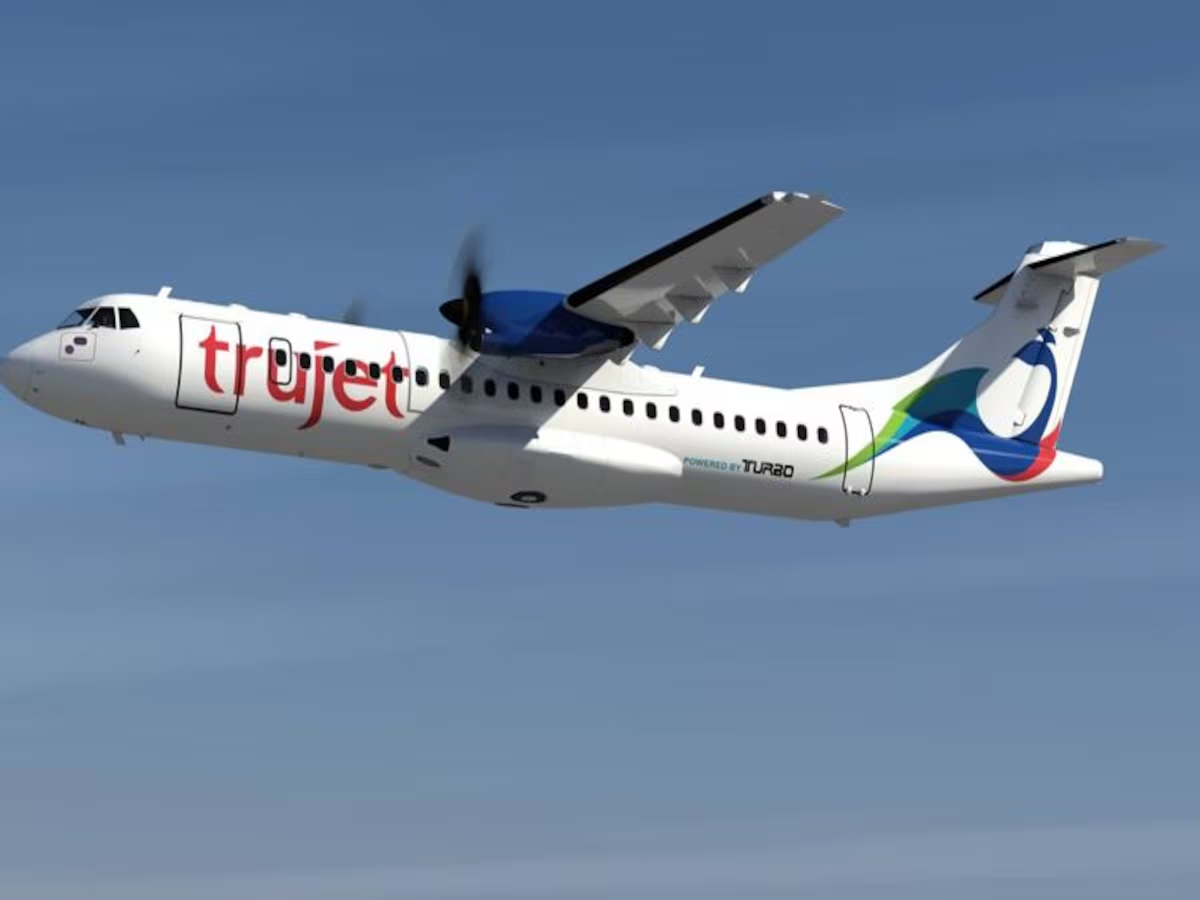
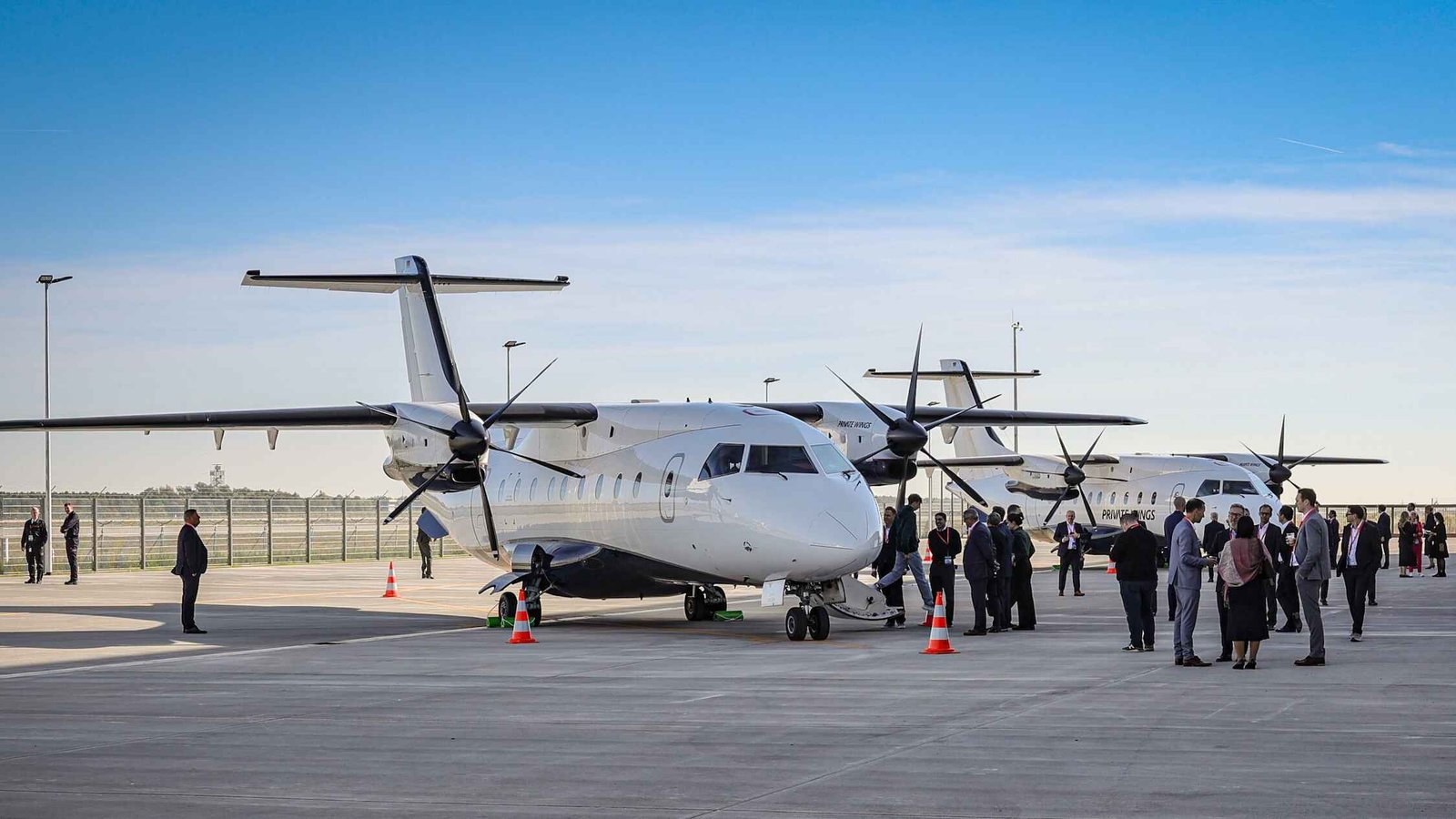
2. Turboprop Engines (Regional & Short-Haul Aircraft)
A turboprop engine is a combination of jet engine and propeller.
How Turboprop Engines Work:
- Air enters the engine intake
- Compressor squeezes the air
- Fuel is added and burned
- Hot gases spin a turbine
- Turbine turns the propeller via a gearbox
Most of the thrust comes from the propeller, not the exhaust gases.
Advantages:
- Very fuel efficient
- Excellent for short distances
- Can operate from small runways
Example Aircraft:
- ATR 72
- Dash 8 (Q400)
3. Turbojet Engines (Early Jet Aircraft)
Turbojet engines were the first jet engines used in aviation.
How Turbojet Engines Work:
- Air enters the intake
- Compressor increases air pressure
- Fuel is injected and ignited
- Hot gases rush out at high speed
- Exhaust creates thrust
Characteristics:
- Very high speed
- Very noisy
- Poor fuel efficiency
Example Aircraft:
- Concorde (with afterburners)
- Early military jets
Today, turbojets are rarely used in commercial aviation.
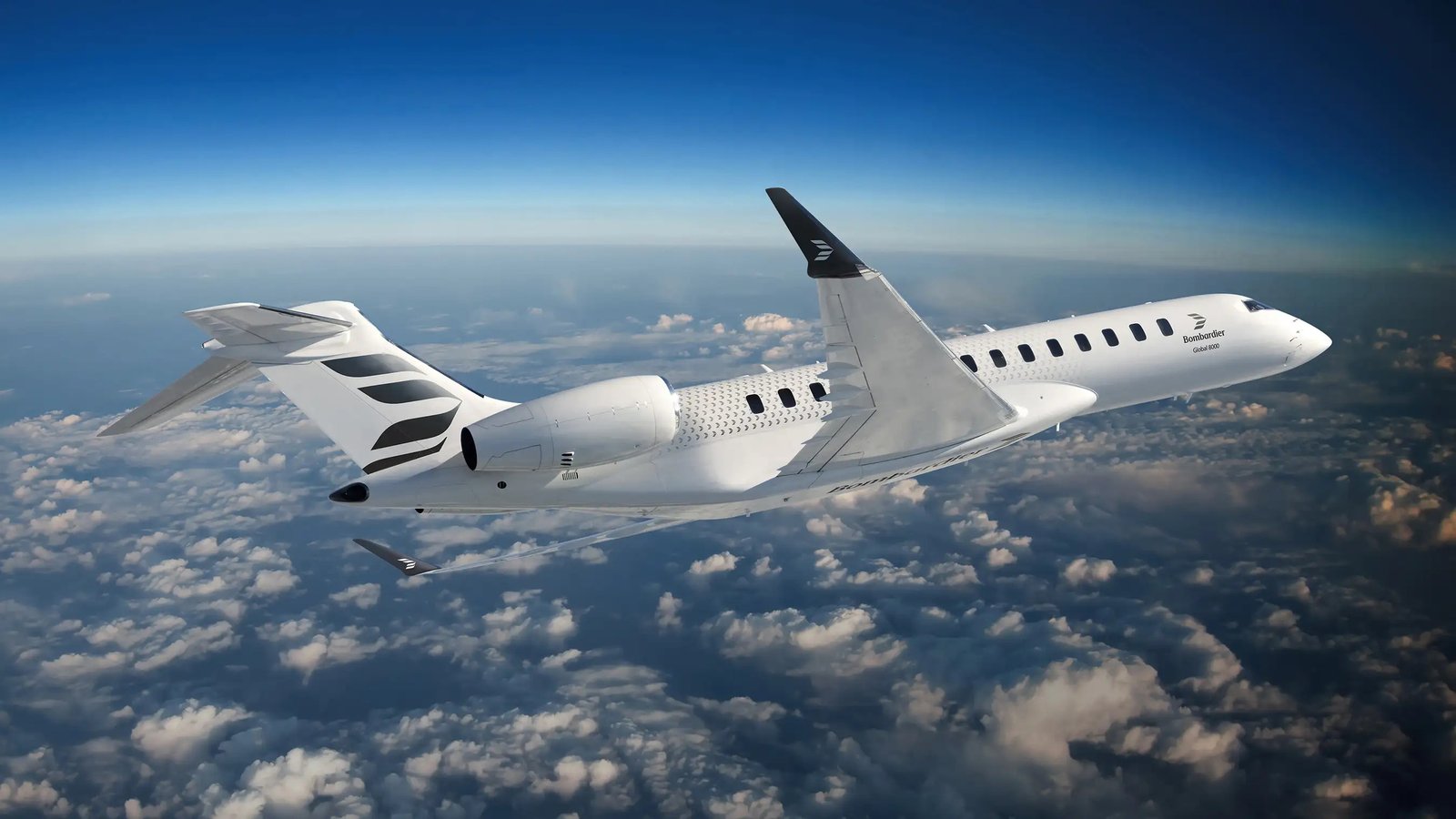
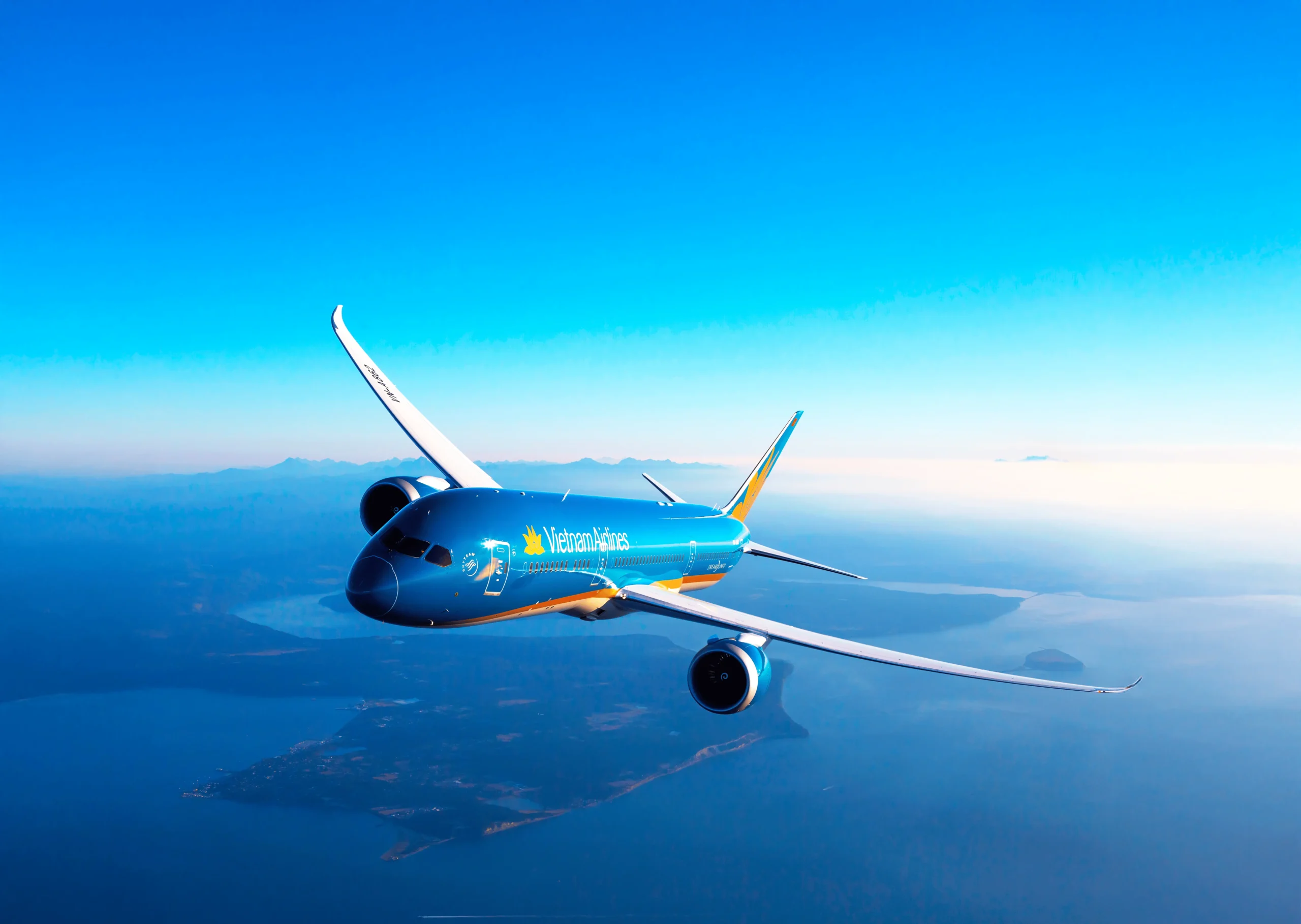
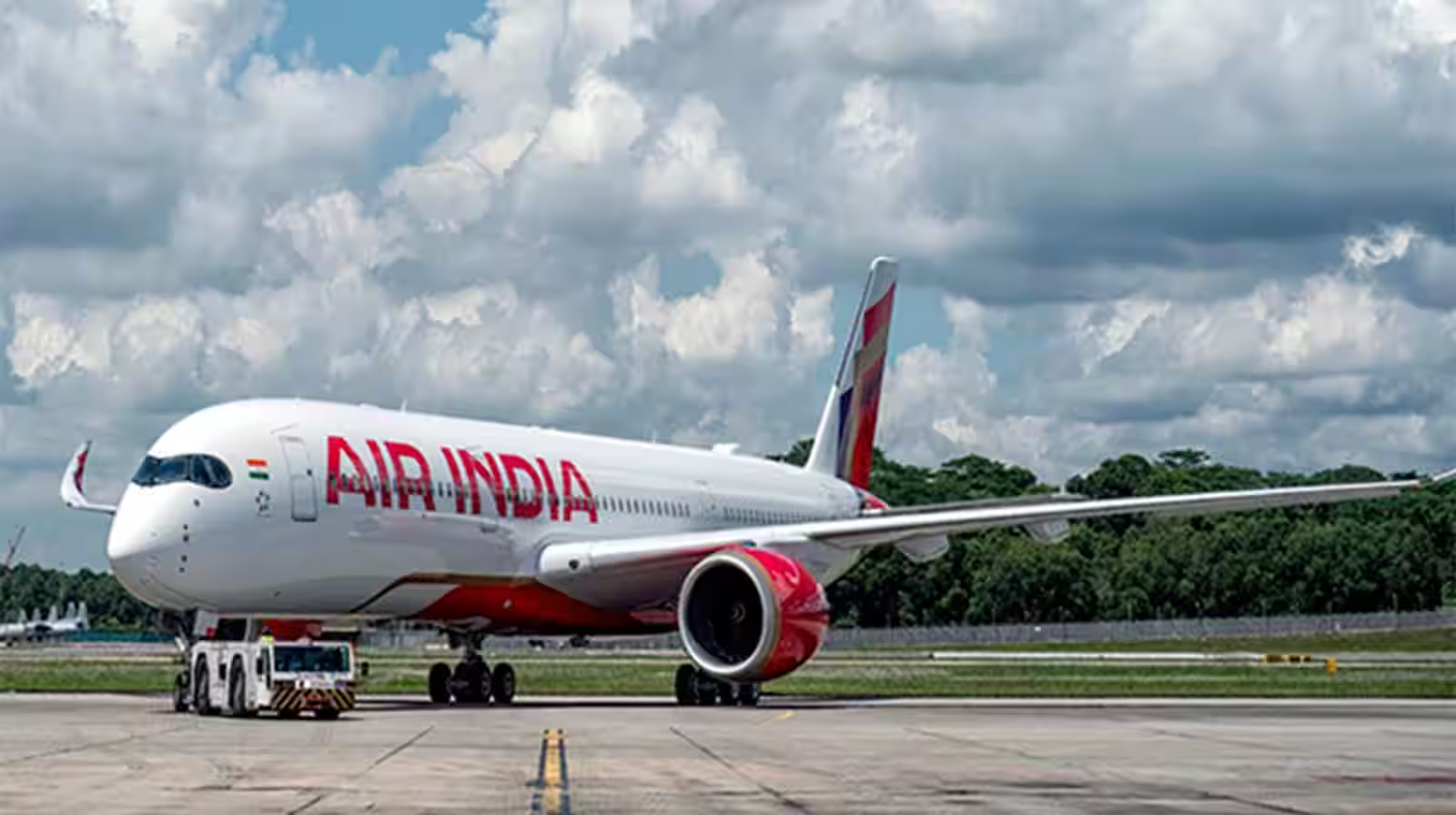
4. Turbofan Engines (Modern Commercial Aircraft)
Turbofan engines are the most common airplane engines today.
How Turbofan Engines Work:
A turbofan has a large fan at the front.
- Air enters the fan
- Most air bypasses the engine core
- Small portion enters the core
- Fuel burns in the combustion chamber
- Exhaust gases spin turbines
- Turbines power the fan
Key Concept: Bypass Air
- Bypass air = air that goes around the engine core
- More bypass air = quieter and more fuel efficient
Advantages:
- High efficiency
- Low noise
- Powerful and reliable
Example Aircraft:
- Boeing 737
- Airbus A320
- Boeing 787
- Airbus A350
What Is an Engine Compressor?
The compressor squeezes incoming air to high pressure.
- Higher pressure = better combustion
- Made of multiple rotating blades
- Can have 10–20 stages
Without compression, fuel would not burn efficiently.
Combustion Chamber: Where Power Is Created
The combustion chamber is where fuel burns.
- Fuel mixes with compressed air
- Ignition starts combustion
- Continuous burning (not explosions like a car)
Jet engines burn fuel smoothly and continuously.
Turbine: Power Producer
The turbine extracts energy from hot gases.
- Spinning turbines power:
- Compressor
- Fan
- Accessories (generators, pumps)
- Compressor
Even after powering everything, enough energy remains to create thrust.
Exhaust: Final Thrust Generation
Hot gases exit the engine at very high speed.
- Creates backward force
- Pushes aircraft forward
This exhaust flow is critical for jet propulsion.
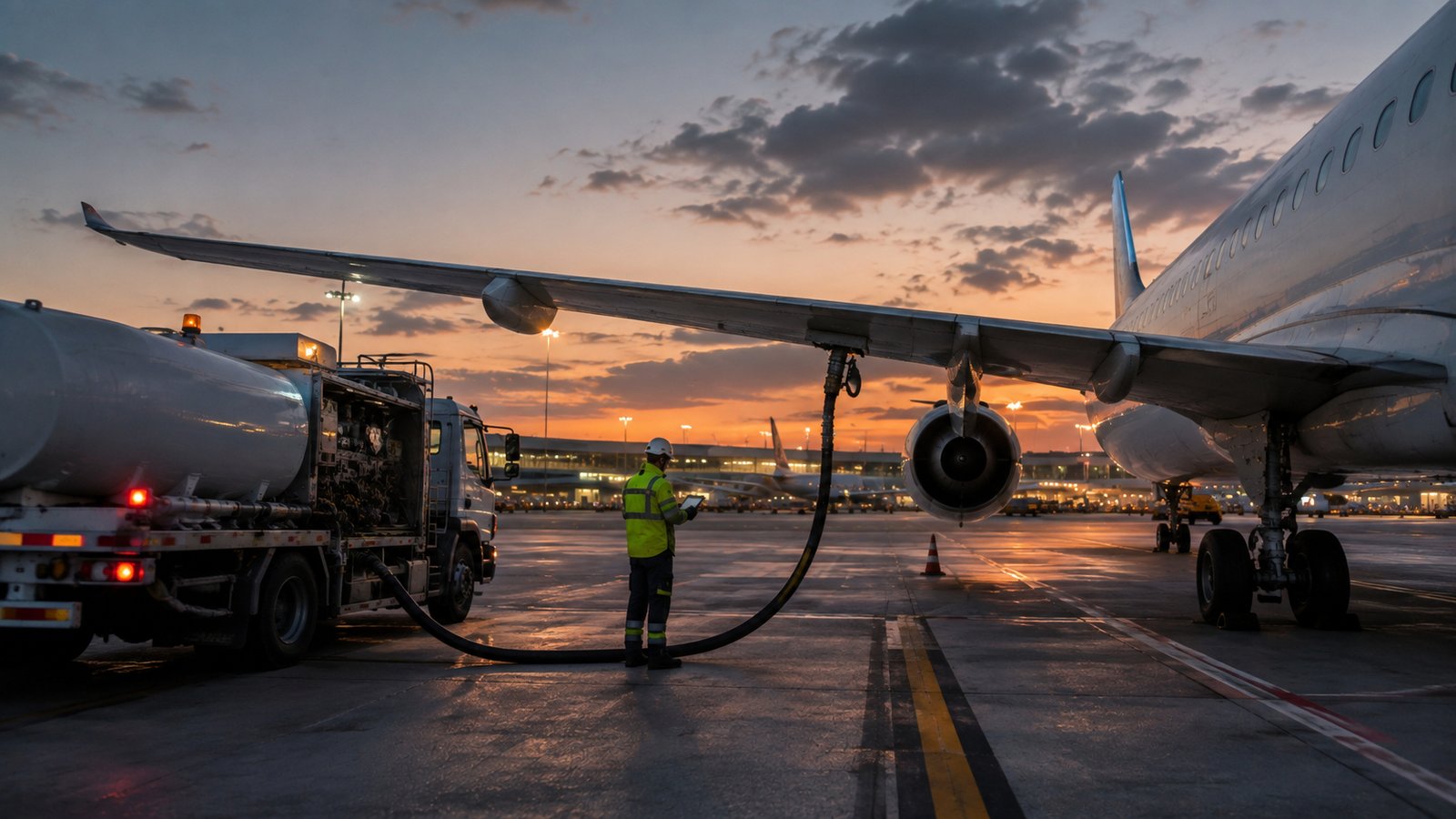
What Fuel Do Airplane Engines Use?
Most airplane engines use Aviation Turbine Fuel (Jet Fuel).
Common Types:
- Jet A
- Jet A-1
Why Jet Fuel?
- High energy content
- Stable at high altitude
- Safer than petrol
Small piston aircraft use aviation gasoline (Avgas).
How Powerful Are Airplane Engines?
Modern jet engines are extremely powerful.
Example:
- Boeing 777 engine thrust: up to 115,000 pounds
- Enough power to lift hundreds of tons
Each engine is a masterpiece of engineering.
How Are Airplane Engines Started?
Airplane engines cannot start like car engines.
Starting Process:
- External or internal starter motor spins the engine
- Fuel is introduced
- Ignition begins
- Engine reaches idle speed
Once running, engines power themselves.
Are Airplane Engines Safe?
Yes, airplane engines are extremely safe.
Safety Features:
- Multiple backups
- Fire detection systems
- Automatic shutdown systems
- Regular inspections
Modern aircraft can fly safely even if one engine fails.
How Often Are Airplane Engines Checked?
Airplane engines undergo:
- Pre-flight checks
- Daily inspections
- Scheduled maintenance
- Complete overhauls
A single engine can cost millions of dollars, so maintenance is critical.
Future of Airplane Engines
Aviation is moving toward greener technology.
Future Developments:
- More fuel-efficient turbofans
- Sustainable Aviation Fuel (SAF)
- Hybrid-electric engines
- Hydrogen-powered aircraft
The goal is to reduce fuel consumption and emissions.
Conclusion
So, how do airplane engines work?
They work by pushing air backward to move the aircraft forward, allowing wings to generate lift. From simple piston engines to powerful turbofan engines, aviation engines have evolved significantly.

Ajeet Yadav is an aviation enthusiast covering airline news, airports, aircraft, and industry developments through well-researched and reliable reporting.