








IndiGo Appoints William Walsh as CEO as Airline Enters Next Growth Phase

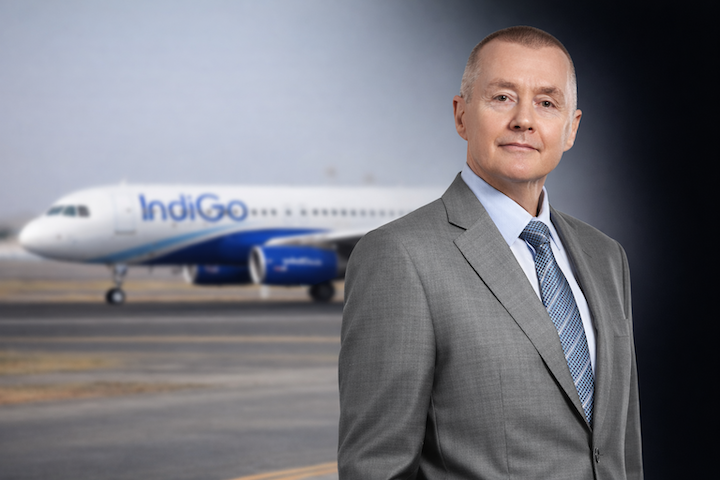
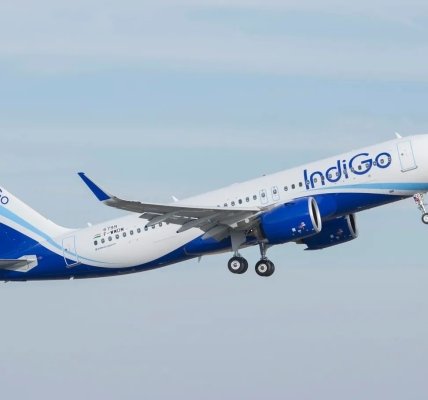
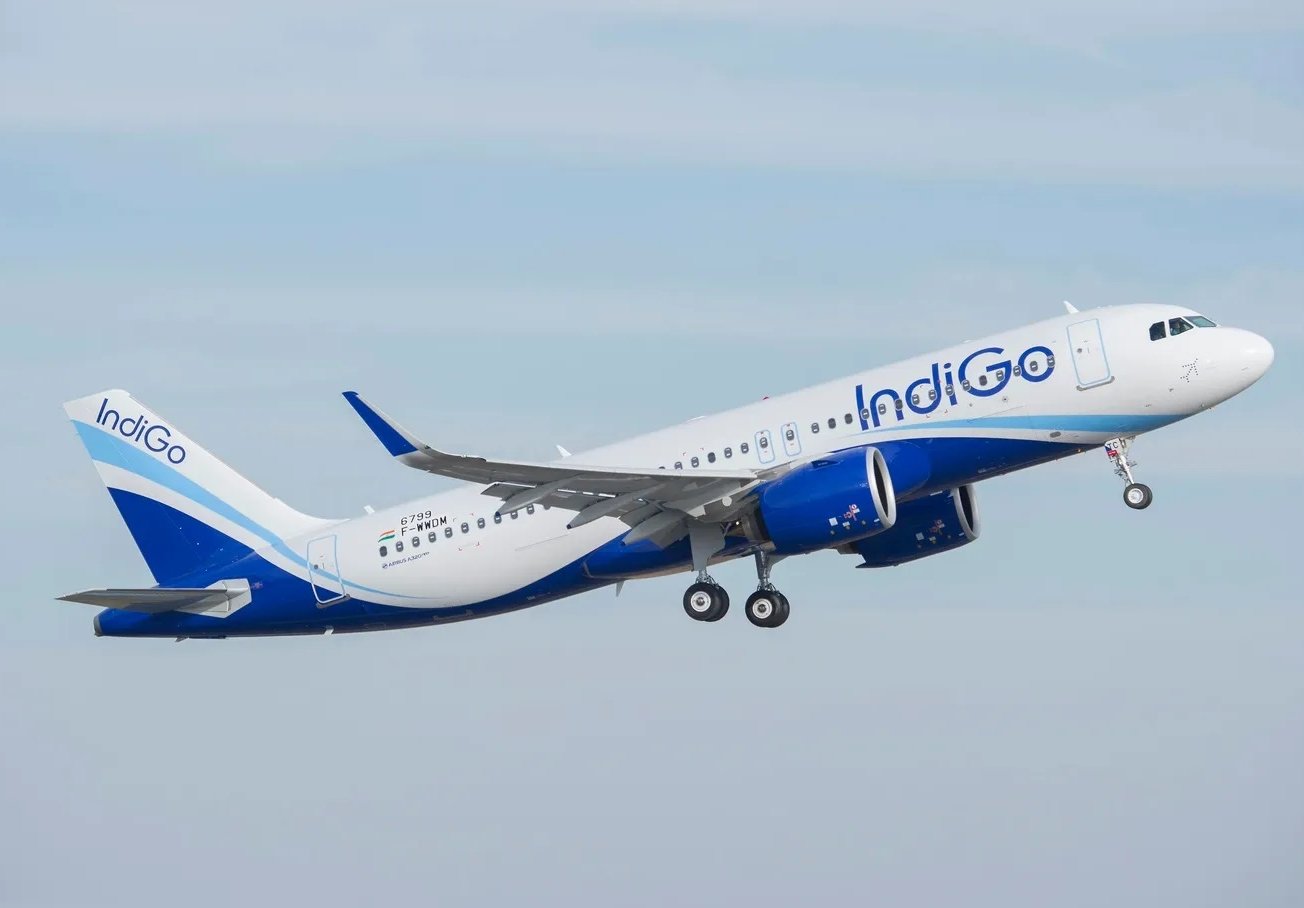
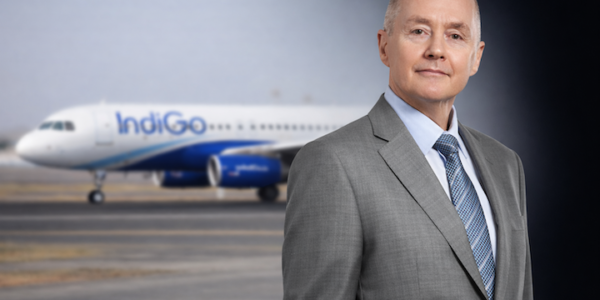
InterGlobe Aviation (IndiGo) has named aviation veteran William Walsh as Chief Executive Officer, subject to regulatory approvals. Walsh, currently Director General of the International Air Transport Association (IATA), will step down on July 31, 2026, and is expected to take charge by August 3.
After Peter Elbers resigned as CEO on March 10, the Managing Director and co-founder Rahul Bhatia assumed interim management and a weeks later, the InterGlobe zeroed in on Walsh. Bhatia said the appointment comes as the airline enters a new phase of transformation, highlighting Walsh’s global perspective and operational expertise.
Prior to joining IATA, Walsh was the CEO of British Airways and International Airlines Group (IAG), which owns airlines including Aer Lingus, British Airways, Iberia, Level, and Vueling.
Walsh led British Airways (2005–2011) during one of the most turbulent yet transformative periods in the airline’s modern history. Walsh steered BA through the Global Financial Crisis, severe labour disputes, and volatile fuel prices. His willingness to take hard decisions, including confronting unions, reinforced a reputation for decisive, sometimes uncompromising leadership.
A former pilot with a reputation for operational discipline, Walsh combined cost restructuring with strategic positioning, moves that would later define his leadership at International Airlines Group.
At BA, Walsh’s most significant initiative was a deep cost overhaul. Facing high legacy costs and intensifying competition from both Gulf carriers and European low-cost airlines, he pushed through aggressive efficiency measures—workforce restructuring, productivity-linked pay, and tighter control over procurement. These steps were not merely reactive; they reset BA’s cost base to remain competitive without abandoning its premium positioning.
Equally important was his role in engineering the merger between BA and Iberia in 2011, creating IAG. The move reflected Walsh’s belief in scale as a strategic advantage, allowing airlines to optimise fleets, leverage network synergies, and strengthen bargaining power. The group structure also enabled a multi-brand strategy, balancing full-service and low-cost models under one umbrella.
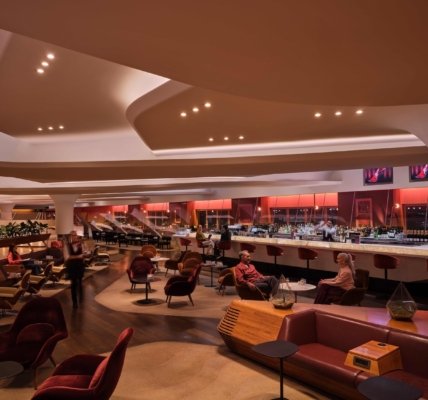
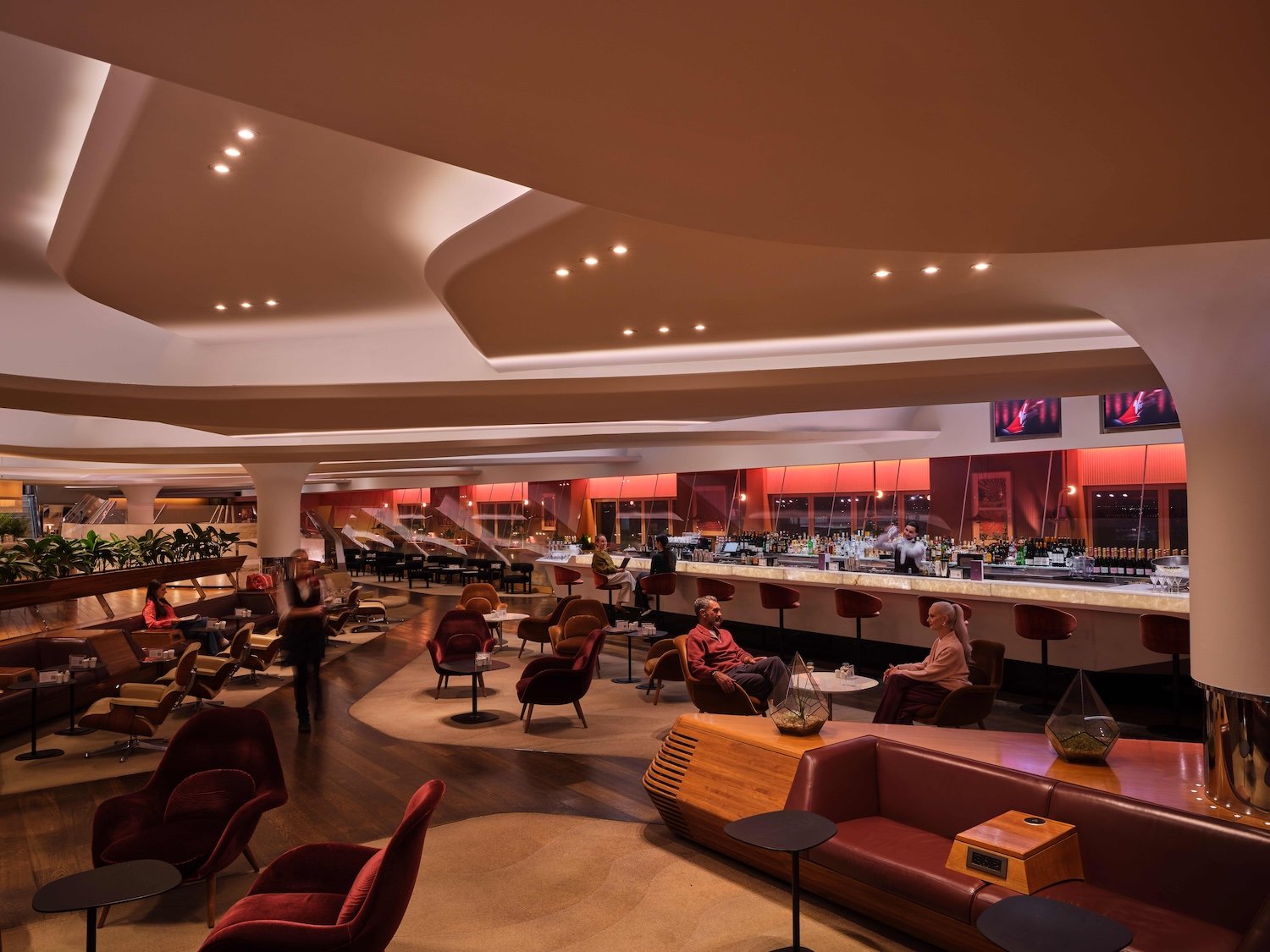
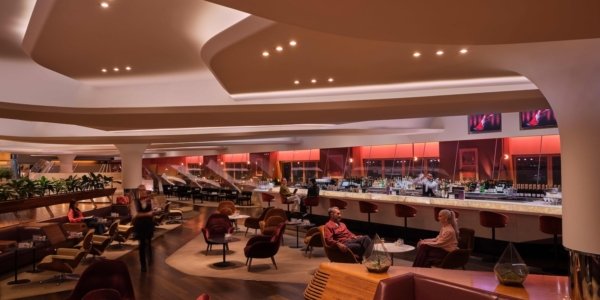
Under his leadership, BA upgraded long-haul cabins, lounges, and introduced initiatives to retain high-yield corporate travellers, even as he cut costs elsewhere. This dual approach, cost discipline paired with targeted investment, became a hallmark of his leadership.
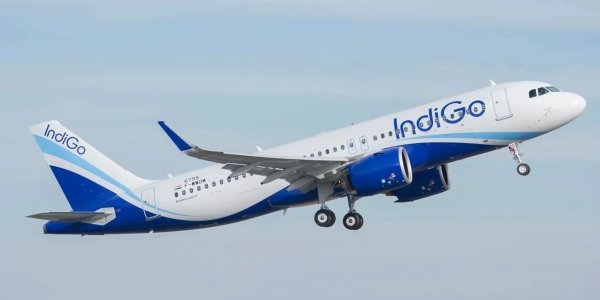
Unlike British Airways, IndiGo operates a pure low-cost model built on simplicity, high aircraft utilisation, and tight cost control. In many ways, the airline already embodies principles Walsh championed at BA, discipline, efficiency, and operational reliability.
Where Walsh’s experience becomes particularly relevant is in IndiGo’s next phase of evolution. The airline is no longer just a domestic low-cost carrier; it is expanding long-haul ambitions, exploring widebody operations, and deepening international connectivity. Here, Walsh’s understanding of global network strategy, alliances, and fleet planning can be invaluable.
His strengths lie in three areas that IndiGo can actively leverage. First, strategic clarity under pressure, Walsh has repeatedly navigated crises while maintaining long-term direction. Second, cost discipline, which he understands that even low-cost carriers must selectively invest to unlock new revenue streams. Third, global credibility, his stature within international aviation, including his tenure at IATA, can help IndiGo build partnerships and influence regulatory conversations.
Also Read: Noida International Airport Opens at Jewar as Integrated Aviation Hub